
How to describe autumn is a question many writers and poets find themselves pondering as the season slowly unfolds its rich tapestry of colours, scents, and moods. Autumn is a time of change, where the warmth of summer gently fades into crisp, cool air, and the world seems to slow down, inviting moments of reflection and creativity. From the fiery reds and golds of falling leaves to the soft mist that blankets early mornings, autumn offers a treasure trove of sensory experiences to inspire vivid and heartfelt writing. In this article, we’ll explore how to capture the true spirit of autumn in your words, helping you bring this beautiful season to life on the page.
Capturing the Essence of Autumn in Your Writing
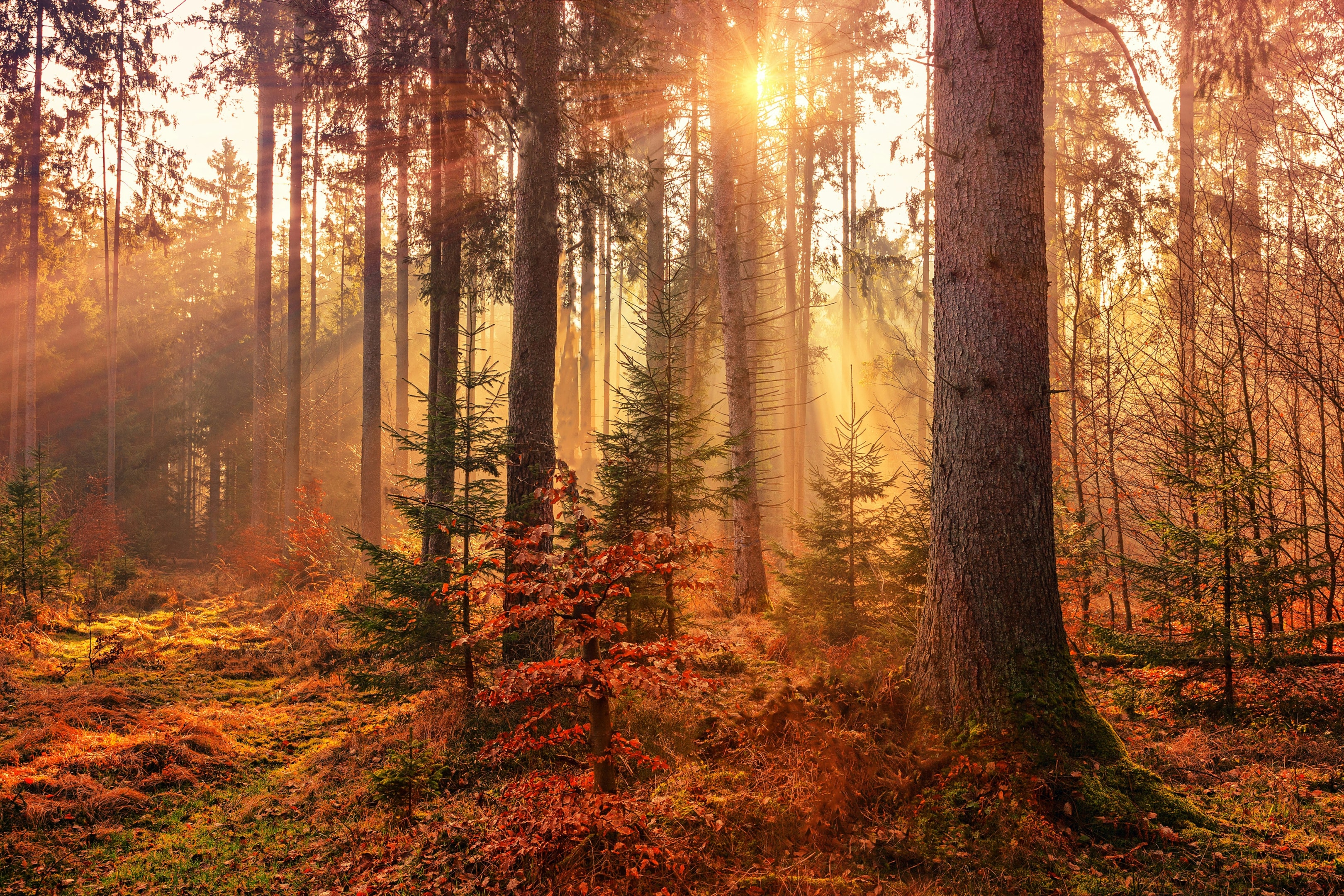
Autumn is bursting with imagery, emotion, and sensory moments that make it a joy to write about. When describing autumn, focus on the special things that make this season stand apart—the vibrant colours of the leaves, the crispness in the air, the gentle crunch of dead leaves beneath your feet, and the subtle changes in light and mood. These details will help you paint vivid, evocative scenes that your readers can feel and imagine.
The Colours of Autumn
One of the most eye-catching parts of autumn is the way the leaves change colour. Shades of amber, gold, fiery red, and burnt orange transform the landscape, wrapping it in a warm, earthy palette. Describe how the trees shift from lush green to a dazzling array of hues, and how the fallen leaves create a colourful carpet on the ground. Use comparisons and imagery that bring these colours to life, like “the trees wore their fiery crowns” or “the ground was a patchwork quilt of autumn leaves.”
The Atmosphere and Weather
Autumn weather is a mix of crisp air, light rain, misty mornings, and sometimes a touch of frost. Capture that chill that makes you pull your scarf a little tighter, or the soft sound of rain tapping on rooftops and leaves. Describe the autumn sky—sometimes clear and fresh, other times heavy with grey clouds hinting at a coming storm. The way light plays during this season adds a special glow, with the sun casting a mellow, golden light on the horizon.
Sounds and Smells of Autumn
All the sounds of autumn add to its unique feel. The crunch of dry leaves underfoot, the whistle of wind through bare branches, and the distant calls of migrating birds bring your scenes to life. The smell of damp earth, woodsmoke from bonfires, and the scent of ripe apples and pumpkins fill the air with the season’s rich aromas. Including these details helps your readers step right into the world you’re creating.
Themes and Emotions
Autumn often brings feelings of reflection, change, and a gentle kind of sadness as the year moves towards winter. Use this season to explore themes of transition, nostalgia, and letting go. Characters might be at a turning point, mirroring the shifting landscape around them. Autumn’s mood can be both comforting and bittersweet, filled with the mellow fruitfulness of harvest and the quiet anticipation of colder days ahead.
Cultural and Seasonal Traditions
Bringing in autumn traditions like Halloween, Bonfire Night, and harvest festivals adds warmth and depth to your writing. These events bring people together and offer rich material for stories—from the flickering glow of jack-o’-lanterns to the cosy warmth of gatherings around a bonfire. Mentioning seasonal foods like pumpkins and apples also grounds your writing in the tastes and smells of autumn.

Comparing Autumn to the Other Seasons
To really get how to describe autumn, it helps to think about it alongside the other seasons—spring, summer, and winter—each with its own mood and character.
Spring is all about new beginnings and fresh starts. It bursts with fresh air, blossoming flowers, and the return of life to the world. Days grow longer, and the landscape fills with soft greens and pastel colours. Spring brings a hopeful feeling, as children head back to school and parks buzz with the sounds of play.
Summer is the season of warmth and energy at its fullest. Long, sunny days, the hum of insects, and nature in full bloom mark this time. The air is warm and heavy with the scent of flowers and ripe fruit. Summer invites adventures and festivals, showing life at its most vibrant.
Winter offers a stark contrast—stillness and quiet. Cold weather chills the air, and nature slows down beneath frost or snow. Days are short, and the world often looks bare and simple. Winter’s beauty is quiet and sometimes harsh, encouraging us to turn inward and reflect.
Autumn sits between these seasons as a time of change and balance. It’s celebrated for its rich colours, the harvest of crops, and a gentle shift towards the colder months ahead. The cool air and changing light bring a unique sense of nostalgia and a deep appreciation for the cycle of life in nature.
Knowing what makes each season special can help you write richer, more meaningful descriptions and really capture autumn’s magic.
Conclusion
Describing autumn is a wonderful chance to engage your readers with colourful images, sensory details, and emotional depth. By focusing on the colours, sounds, smells, weather, and traditions of the season, you can bring autumn vividly to life on the page. Let the season’s unique spirit guide your writing, and watch your words paint a warm, immersive picture of autumn’s beauty and mood.
If you’re inspired to enhance your writing skills further, consider joining our writing courses. Enrol today and start transforming your writing journey!
